
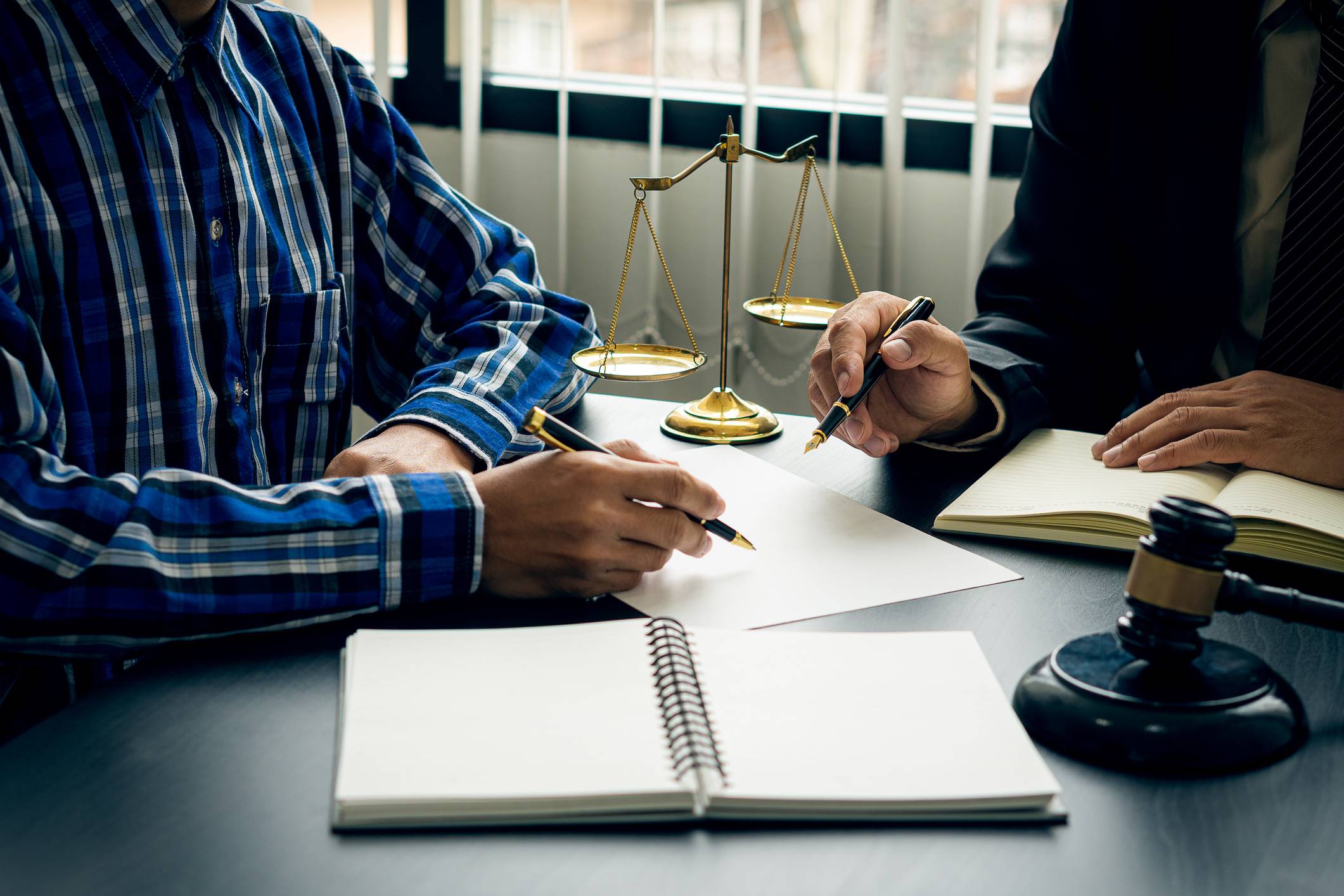
In the complex world of the legal system, criminal defense attorneys play a crucial role in safeguarding the rights of individuals accused of crimes. Their guidance not only shapes the outcome of trials but also ensures that the principles of justice and fair representation are upheld. This article delves into the multifaceted responsibilities of criminal defense attorneys, exploring their vital functions in both pre-trial and trial phases, and the various strategies they employ to defend their clients effectively.
As advocates for the accused, criminal defense attorneys navigate a landscape fraught with challenges, from gathering evidence and negotiating plea deals to presenting compelling arguments in court. Understanding their role helps demystify the legal process and highlights the importance of legal representation in a society governed by law. Whether it’s a minor offense or a serious felony charge, having a skilled criminal defense attorney can significantly influence the trajectory of a case, underscoring the essential nature of their work in protecting individual rights.
Pre-Trial Responsibilities
In the pre-trial phase, criminal defense attorneys engage in numerous activities that are fundamental to building a strong defense. They conduct thorough investigations, interview witnesses, and analyze evidence to develop strategies tailored to the specifics of each case. A critical part of their role involves negotiating with prosecutors to secure favorable plea deals, which can lead to reduced charges or lesser penalties for their clients. Individuals facing criminal accusations should seek the guidance of a criminal lawyer Dallas to navigate these intricacies effectively, ensuring that every avenue for a positive outcome is explored.

Courtroom Advocacy
During the trial phase, the defense attorney’s role transforms into that of an advocate who presents the client’s case before the judge and jury. Here, they craft compelling arguments, cross-examine prosecution witnesses, and challenge the evidence presented. The attorney’s ability to communicate effectively and persuasively is paramount, as it directly impacts the jury’s perceptions and decisions. By employing various legal strategies, such as demonstrating reasonable doubt or highlighting procedural errors, defense attorneys strive to achieve the possible results for their clients, emphasizing the importance of skilled legal representation in the pursuit of justice.
In conclusion, the role of a criminal defense attorney extends far beyond mere representation; it embodies the commitment to uphold justice and protect individual rights amidst the complexities of the legal system. These legal professionals act as both advisors and advocates, employing their knowledge and experience to navigate the challenges of both pre-trial procedures and courtroom advocacy. By meticulously constructing robust defenses, negotiating professionally on behalf of their clients, and presenting persuasive arguments during trials, they not only shape the outcomes of individual cases but also reinforce the foundational principles of due process and fair trial. Ultimately, the presence of a skilled criminal defense attorney is indispensable, serving as a crucial safeguard against wrongful accusations and ensuring that justice is pursued with integrity and diligence.
About The Author

Leave a Reply